

IMM Airdrop Details and Participation Guide for 2026
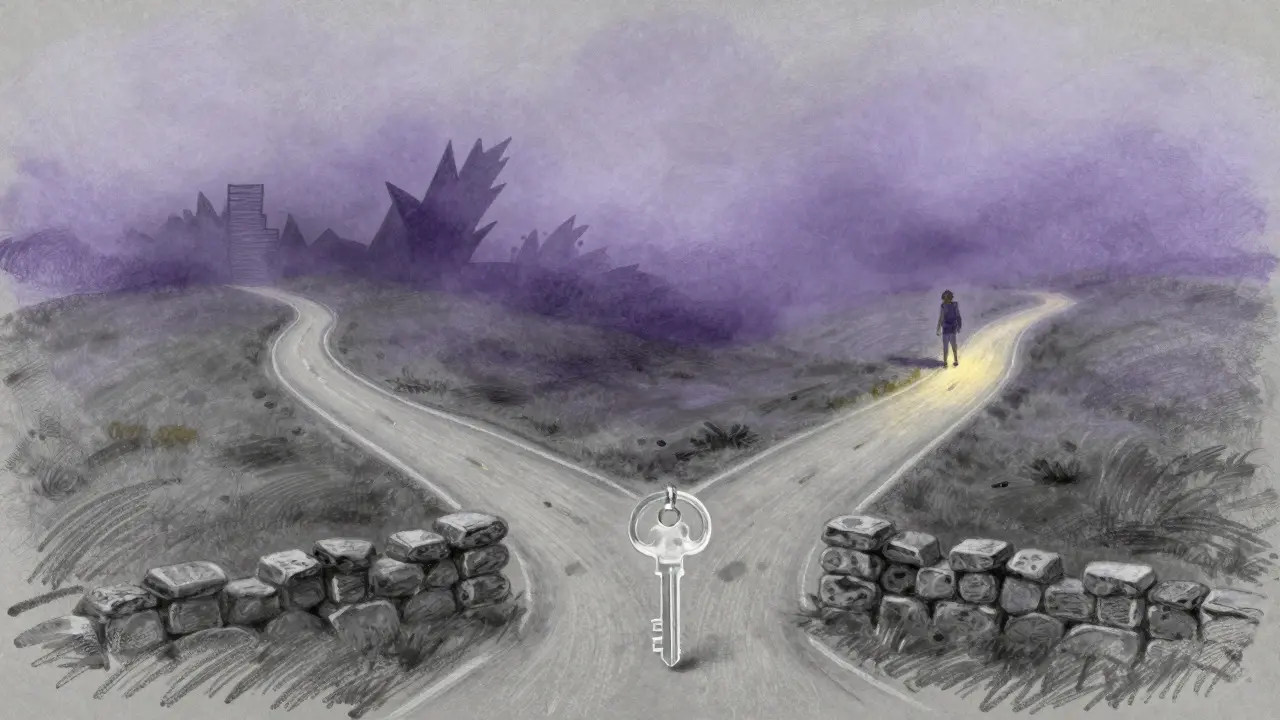
Navigating the Silence Around the IMM Project
You're probably looking for a straightforward timeline or a checklist of tasks to claim your free IMM airdrop, but right now, the waters are murky. As of late March 2026, the crypto landscape has shifted heavily toward privacy-focused testnets and cross-chain liquidity incentives, yet there is no official public documentation confirming a live airdrop campaign for a project simply named 'IMM'. Usually, legitimate campaigns announce their TGE (Token Generation Event) months in advance with detailed blog posts on Mirror.xyz or dedicated Twitter threads.
This lack of visibility is actually more common than you think. Many promising protocols keep quiet until the moment they launch their tokenomics. The challenge for hunters like you is separating genuine stealth mode projects from outright hoaxes using similar acronyms. Before you waste any gas fees or connect your primary wallet, we need to establish whether 'IMM' refers to a specific DeFi protocol, a gaming asset, or potentially a confusing abbreviation for another well-known ecosystem. Let's break down exactly how to investigate these claims properly without getting burned.
Verifying Project Legitimacy in 2026
The first step in any hunting strategy is validation. In previous years, checking CoinMarketCap was enough, but today's sophisticated actors create convincing front-ends that disappear days after a hack. When investigating an unnamed or vague project like IMM, you should cross-reference three specific data points immediately.
First, check the GitHub repositories. Active development is the strongest signal of legitimacy. Look for recent commits (within the last week) and check who is pushing the code. If you see only automated bot updates and no manual contributions, proceed with caution. Second, examine the social footprint. Is the X (Twitter) account verified? Are the comments engaging with the community or just bots spamming 'When TGE?'
Third, and crucially, audit the smart contracts. Even without a mainnet launch, many 2026 projects release testnet bridges. If you can interact with a contract directly on a block explorer like Etherscan or Solscan, you can see the transaction history. You are looking for unique interactions from known whale wallets or venture capital entities. If you see random transactions from freshly created addresses, it is likely a farming farm rather than organic adoption.
| Signal Type | Green Flag (Safe) | Red Flag (Dangerous) |
|---|---|---|
| Documentation | Links to whitepaper and audited GitHub | Google Docs links or password-protected PDFs |
| Communication | Dedicated Discord with active mod team | No DMs allowed, only group chats |
| Wallet Interaction | Faucet requires email verification | Connect Wallet button asks for private keys |
| Team Info | Doxxed founders or clear LinkedIn profiles | Anon-only team with no history |

Understanding Common Claim Mechanics
If 'IMM' eventually reveals its roadmap, it will likely follow one of the three dominant models used in 2026 airdrops. Understanding these models helps you prepare your wallet infrastructure correctly. Most modern distributions have moved away from simple 'connect and claim' methods because they attract too much bot activity.
Liquidity Incentives is a method where users are rewarded for providing capital to trading pairs or staking pools. If the IMM project is focused on DeFi primitives, expect them to require you to swap assets on a DEX, borrow against collateral, or stake stablecoins for a minimum duration.Another prevalent method is the Cross-Chain Bridge Task. With the rise of Layer 2 fragmentation in 2026, many L1s (like Solana or Sui) and L2s are partnering to reward bridge usage. You would typically need to move assets between two chains multiple times. The key here is volume-small amounts might not qualify you for the tiered reward system. Aim to make transactions totaling at least $500-$1,000 in volume to sit in the top quantile.
Finally, look out for Testnet Quests. These are non-financial tasks performed on a sandbox environment. Often facilitated via platforms like Zealy or Galxe, these tasks involve reporting bugs, testing governance proposals, or interacting with specific dApp features. Since gas costs are zero on testnets, this is the safest way to qualify without risking principal investment.
The Importance of Segregated Wallets
I cannot stress this enough: never use your 'cold storage' or high-value operating wallet for unverified projects. In 2026, the threat of signature stealing and malicious approvals is higher than ever. Even if the project site looks polished, one bad approval can drain your funds later when other contracts exploit that permission.
Create a dedicated air drop farm wallet. Use a burner address on a platform like MetaMask or Rabby Wallet. Transfer a small amount of ETH or SOL to cover gas fees, but leave your main accumulation untouched. If you are participating in a bridge or swap, consider using a hardware wallet like Ledger for the signing process if possible, or utilize a browser-based signing tool that allows you to revoke permissions immediately after use.
This segregation also helps with privacy. If you are concerned about sybil protection measures filtering you out, having a clean wallet history matters. Exchanges and protocols often check for 'whale association'-if your wallet interacts too much with known money laundering clusters or sanctioned addresses, you might be disqualified regardless of your activity volume.

Strategies for Capturing Value Despite Uncertainty
Since the official details for the IMM campaign are currently opaque, don't sit idle. The crypto market moves fast, and opportunities arise daily across different sectors. Diversify your airdrop portfolio instead of pinning all your hopes on a single acronym. If IMM turns out to be a long-term project, you'll still benefit from parallel engagements.
- Monitor Social Channels: Join the official X and Telegram channels for the specific IMM project (once found). Turn on notifications for the announcement handles. Being early to the 'Alpha' leaks usually pays off in higher allocation multipliers.
- Track Competitor Activity: If IMM is a Layer 2 or a DeFi aggregator, look at its direct competitors. For example, if it competes with Uniswap or Curve, check their own loyalty programs. You might qualify for a retroactive snapshot elsewhere.
- Watch for Partner Announcements: Legitimate projects often work with influencers or aggregators like DefiLlama or Coingecko. If you see a listing appear there, it validates the project's seriousness.
Patience is part of the grind. Some of the biggest payouts from previous cycles happened months after the hype died down because teams wanted to filter out day-traders from actual users. Stick to the fundamentals of verification over the noise of FOMO.
FAQ
Is the IMM airdrop officially confirmed?
As of March 2026, there is no widely publicized official confirmation for an IMM airdrop in major crypto tracking databases. Proceed with caution and verify through official project sources before engaging.
What are the typical requirements for 2026 crypto airdrops?
Most current airdrops require bridging assets, providing liquidity on DEXs, completing testnet quests, or holding specific NFT collections within the ecosystem.
How do I avoid scams when looking for airdrops?
Never share private keys, use a separate wallet for participation, verify domain URLs carefully, and only trust links from verified official social media channels.
Does IMM support Solana or Ethereum networks?
Specific network compatibility for IMM is currently unconfirmed. Most modern airdrops support major chains like Ethereum L2s (Arbitrum, Optimism) or Solana due to low fees.
Can I buy IMM tokens immediately?
You should not attempt to buy unless listed on a reputable exchange. Premature listings on decentralized markets are often manipulated or fake tokens.




i cant beleive the confusion arround this stuff honestly. people just wanna claim tokens but nobody checks the contract codes properly. its really scary how easy it is to get tricked in 2026. my friend lost gas fees last week doing something similar. i hope the official docs come soon or we all stay safe.
They are hiding something big. Silence means they are cooking a rug pull for unsuspecting farmers. Stop trusting these anonymous dev teams blindly. Your funds are safer on a mattress than connected to their bridge.
I think yall being too negative 😅😂 Sometimes stealth mode works well for the best projects! 💸 Just do ur due diligence and keep ur wallet secure 🛡️ Don't let the FOMO get to ya guys 🔥 Keep grinding! 👊
Only the smart money survives this particular circus of nonsense 🙄 The plebs always get drained by these alpha leaks. You need institutional grade intel not random twitter threads. Hope you learned your lesson from last cycles mess. 🤡
Another stealth project destined to vanish before launch.
I am so worried about losing everything again. It feels like a nightmare sometimes when all you see are warnings. Please god tell me someone knows where the real link is. My heart is racing thinking about bad contracts. This stress is not worth it for crypto anymore.
My feelings are hurt thinking about what happened last time with similar drops. Everyone promised us free coins but nothing ever came true. It makes me feel angry and sad all at the same time right now. I need some good news to cheer up my spirit today.
jst wondering if anyone else checked the git repos recently tbh. i saw some commits but they looked kinda automated to me personally. might be bot activity or just normal maintenance who knows. better to wait and see what happens before connecting wallets i guess.
We should all take a step back and focus on safety first before chasing potential rewards. Setting up dedicated farming wallets is the easiest way to protect our hard earned assets. Learning to read smart contract permissions is a skill everyone needs now. Sharing knowledge here helps the whole community avoid common traps.
Spot on advice about segregation. Use a fresh MetaMask instance specifically for testing. It keeps your cold storage completely isolated from risky interactions. You get the upside without the massive downside risk. Great reminder to keep security top priority at all times.
verification processes must be thorough. patience yields results. acting rashly guarantees losses. trust established protocols only. ignore unverified whispers.
One must consider the broader implications of fragmented liquidity across various layers. While the opportunity seems tantalising, the risks of malicious bridges remain quite salient in today's landscape. Perhaps a cautious approach involving multiple testnet interactions proves more prudent than diving straight into mainnet. After all the market has plenty of room for genuine innovation without rushing blindly.
Data indicates high volatility in unannounced token launches during this quarter. Historical trends suggest low success rates for unnamed acronyms appearing on social media. Proceed with extreme caution and expect significant capital erosion if verification fails. Probability of loss outweighs probability of gain currently.
I truly believe that legitimate projects will emerge eventually from the fog of uncertainty. Keeping a positive mindset helps us spot the real gems amidst the noise. There is always value in staying active on the leading chains anyway. Persistence pays off in the long run for sure.
The fundamental question facing us is the nature of trust in decentralized systems. We have moved beyond simple brand loyalty into a realm of cryptographic verification. Every transaction signature becomes a statement of consent to a protocol. This shift requires a philosophical understanding of ownership and control. Traditional banking models are being replaced by smart contract autonomy. We must learn to distinguish between organic adoption and manufactured hype. Whales move silently while influencers scream for attention. True value accumulates in the background away from the spotlight. Community consensus matters more than marketing budgets in the long term. Scams thrive on greed and lack of critical thinking skills. Education is the ultimate defense against predatory financial schemes. We are building infrastructure for a new economic paradigm. The path forward demands patience and rigorous scrutiny. Rushing into claims often leads to preventable financial ruin. Silence from a development team is often a sign of focused work. Transparency comes naturally to projects with nothing to hide. Our collective vigilance ensures the health of the entire ecosystem.