

Bit Hotel (BTH) Airdrop: How to Claim Your Free Tokens in 2025
Jonathan Jennings
Cryptocurrency – Guides, News and Deep Dives
When exploring Cryptocurrency, digital assets that use cryptography to secure transactions and manage the creation of new units. Also known as crypto, it powers a fast‑growing ecosystem of finance, gaming, and online services. Cryptocurrency has moved from a niche experiment to a mainstream asset class, and the content below reflects that shift.
Key Concepts Shaping Modern Crypto
The first building block you’ll meet is Tokenomics, the study of a token’s supply, distribution, utility and incentive mechanisms. Good tokenomics influences cryptocurrency valuation and guides investor decisions. For example, a limited supply combined with real‑world utility tends to create upward price pressure, while overly generous allocations can dilute holder value. Understanding tokenomics helps you spot projects that balance growth with sustainability.
Underpinning every token is Blockchain, a decentralized ledger that records transactions in immutable blocks. Blockchain provides the security and transparency that make cryptocurrency possible. Confirmation time, consensus rules, and validator incentives are all blockchain attributes that stop double‑spends and keep the network trustworthy. Knowing how a blockchain works lets you judge the risk profile of any coin you consider.
With a secure ledger in place, DeFi, decentralized finance platforms that replicate traditional banking services without intermediaries, brings real utility to cryptocurrency. DeFi enables staking, lending, and automated market making, turning idle tokens into income streams. By connecting crypto assets to liquidity pools and yield farms, DeFi expands the use cases beyond simple speculation.
One of the fastest ways new tokens reach users is through an Airdrop, a distribution method where free tokens are sent to eligible wallets. Airdrops can boost adoption, but they also attract scams that mimic legitimate projects. Spotting red flags—such as unexpected private key requests or vague eligibility criteria—protects you from losing assets while still letting you benefit from genuine campaigns.
All these pieces—tokenomics, blockchain, DeFi, and airdrops—interact to shape the crypto landscape. Below you’ll find clear, data‑driven articles on topics like OSEAN’s yacht tokenization, REV3AL’s staking model, Nigeria’s crypto surge, and how confirmation time prevents double‑spends. Whether you’re hunting for a new investment idea or just want to understand how today’s crypto world works, the guides here give you the context you need to move forward with confidence.

Discover what Budbo Token (BUBO) is, its utility in the cannabis industry, tokenomics, and current market status. A complete guide to the crypto coin.
Jonathan Jennings Mar 25, 2026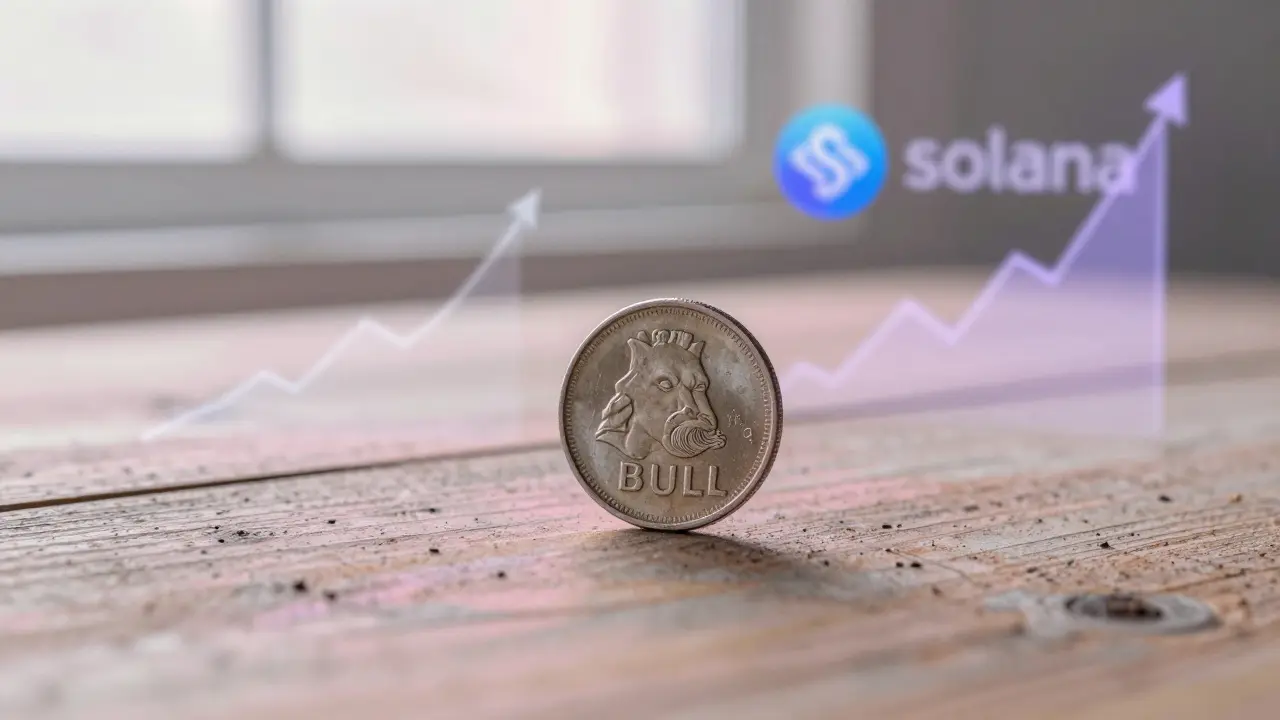
Bull Market Coin (BULL) is a Solana-based crypto token with minimal trading volume, no clear utility, and no development team. Despite its name, it's not connected to broader bull markets and is currently trading far below its all-time high.
Jonathan Jennings Mar 17, 2026
Honest (HNST) is the utility token powering the NOBI crypto platform, designed to help users earn yield and reduce fees. With a max supply of 400M, low liquidity, and a buyback-burn system, HNST is not a speculative asset-it's a tool for long-term users.
Jonathan Jennings Mar 13, 2026
Recognizing a crypto bear market bottom isn't about guessing-it's about spotting signs like falling fear, rising on-chain activity, and volume spikes. Learn the 6 key indicators that signal a real reversal, not just a bounce.
Jonathan Jennings Mar 12, 2026
Arsenal Fan Token (AFC) is a blockchain-based utility token that lets fans vote on club decisions, earn NFTs, and access exclusive experiences. It's not an investment - it's a digital membership for loyal supporters.
Jonathan Jennings Mar 11, 2026
Frax USD (FRXUSD) is a fully collateralized stablecoin backed by U.S. Treasury assets, offering institutional-grade transparency and direct fiat redemption. Unlike USDC or USDT, it uses tokenized treasuries like BlackRock's BUIDL for 1:1 backing.
Jonathan Jennings Mar 1, 2026
Crypto adoption in Russia has surged to 20 million users despite sanctions and legal restrictions. Bitcoin and stablecoins are used for cross-border payments, inflation protection, and business transactions-making Russia a global leader in decentralized finance despite government control.
Jonathan Jennings Feb 27, 2026
Moonlana (MOLA) is a Solana-based meme coin with no team, no community, and minimal trading. Its price is volatile, supply is nearly fully circulating, and it's only listed on one exchange. Not a serious investment.
Jonathan Jennings Feb 24, 2026
Kujira (KUJI) is a Layer 1 blockchain built on Cosmos that makes DeFi accessible to everyone. With staking, governance, and four core apps like FIN and ORCA, it offers a secure, community-driven alternative to centralized finance.
Jonathan Jennings Feb 23, 2026
Teritori (TORI) is a low-liquidity crypto token built on Osmosis within the Cosmos ecosystem. As of 2026, it trades at $0.00003588 with a $107k market cap, used for governance and dApp incentives - not payments or mainstream use.
Jonathan Jennings Feb 18, 2026
Shroomates (SHROOM) is a meme coin on Solana with no utility, no team, and no roadmap. Launched in 2024, it peaked at $0.0158 and has since crashed over 98%. Today, it's a digital joke with minimal trading activity.
Jonathan Jennings Feb 17, 2026
PAPA Trump (PPT) is a meme crypto coin with no real connection to Donald Trump. It trades on Solana with almost no volume, zero community, and no utility. Don't be fooled by the name - it's not an investment.
Jonathan Jennings Feb 14, 2026